The internet is an accessible and informative tool available to consumers at all times. These consumers are constantly using their phones to search and seek answers about every little thing whether that be how to cook an apple pie or how far Mars is away from earth. Arguably the most powerful search engine, Google, uses algorithms to weigh varied elements to determine which website is most appropriate to the consumers search query. Some of these elements that impact which website comes first on the search engine include frequency of keywords on these websites, quality and relevance of the data as well as HTML title tags.


- https://www.southernliving.com/recipes/arkansas-black-apple-pie-caramel-sauce-recipe
- https://space-facts.com/mars/
There are two search engine marketing techniques which are used by businesses to ensure they are the top results to come from relevant search queries. Search engine optimisation is the ‘’structured approach used to increase the position of the company or its products in search engine results by natural or organic processes”. In contrast, paid search marketing gives companies the opportunity to appear first within the search engine as a paid sponsor. Whereas companies can also use Pay per click which displays your contextual advertisement on a third-party site. If a customer clicks on your advertisement they are immediately redirected to your site and you pay for service of receiving a potential customer.
Well, now the burning question is how can small businesses compete? How can small clothing businesses compete with major online outlets like ASOS and Boohoo? In simple terms…they can’t! ASOS and Boohoo are spending millions of dollars in paid search marketing to be up first in the search engine results when searching keyword queries. ASOS and Boohoo are usually at the top of the first page on the major search engine results for a large majority of keyword inquiries, regarding men’s clothing and most consumers are too lazy to even scroll down half a page. They’re listed either in sponsorship marketing or in the search engine optimisation for ‘men’s clothing’, ‘cheap men’s clothing’ and ‘fashionable men’s clothing’.

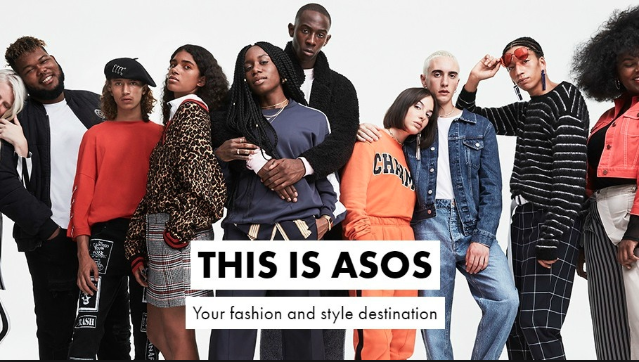
- https://www.thedrum.com/news/2016/12/28/boohoocom-eyes-16m-takeover-us-retailer-nasty-gal
- https://www.retail-week.com/events/retail-week-awards-2019-asos-relentless-customer-focus/7031372.article?authent=1=
Most small companies are currently on the hunt for alternatives that will help them to compete within the market against these major companies. In the past they’ve used black hat techniques such as meta keyword stuffing, hidden content and link farming to try get the advantage on competitors. Meta keyword stuffing is the repetition of keywords within meta tags and visible content, this is used in attempt to gain an unfair rank advantage in search engines.
The question now is what are small companies going to do? Wait for their companies to gain organic exposure over time whilst also utilising and employing white hat techniques. Produce quality content with the appropriate use of titles and meta data or are these small companies going to push the boundaries and employ questionable techniques such as grey hat techniques.
 Nick's Digital Marketing Blog